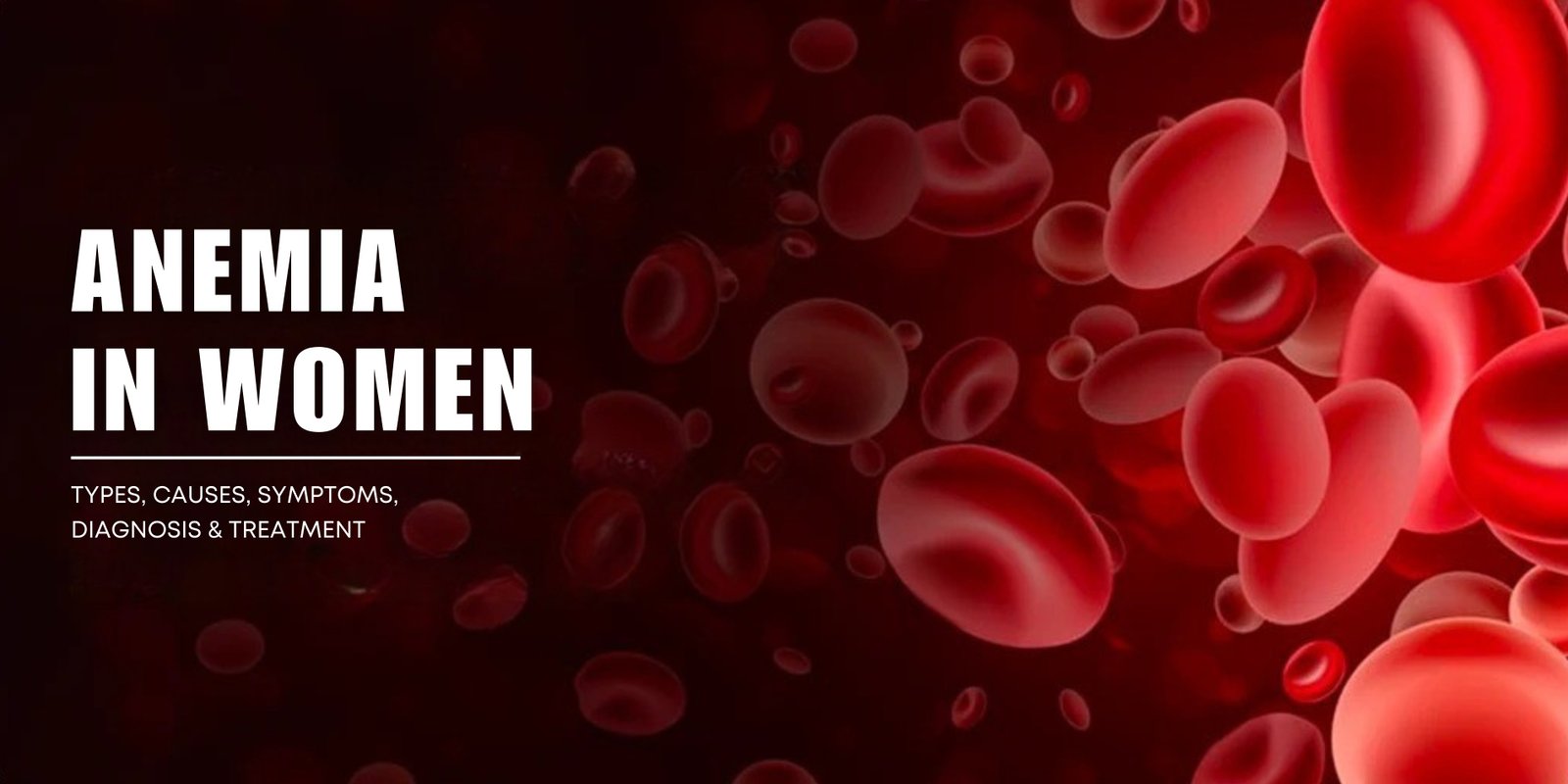
Anemia in Women – Types, Causes, Symptoms, Diagnosis & Treatment
Anemia in women represents one of the most prevalent yet frequently overlooked health conditions affecting millions globally. This blood disorder occurs when the body cannot produce sufficient healthy red blood cells or hemoglobin to transport oxygen effectively throughout the system. Women face naturally elevated risks of developing anemia in women due to menstruation, pregnancy, childbirth, and continuous hormonal fluctuations throughout their reproductive years and beyond.
According to the World Health Organization, approximately one-third of women of reproductive age and 37% of pregnant women worldwide experience anemia in women. While mild cases may remain undetected, moderate to severe anemia in women significantly impacts energy levels, emotional well-being, immune function, fertility potential, pregnancy outcomes, and overall quality of life.
This comprehensive guide explores everything about anemia in women, including its underlying causes, recognizable symptoms, diagnostic methods, treatment approaches, various types, and long-term health effects, empowering you with knowledge to take proactive steps toward healthier living.
Understanding Anemia in Women
Anemia in women is a blood disorder characterized by insufficient healthy red blood cells (RBCs) or inadequate hemoglobin, the iron-containing protein enabling RBCs to carry oxygen. When hemoglobin levels decline, organs and tissues cannot receive the oxygen required for optimal functioning.
For women specifically, anemia in women can range from mild presentations with minimal symptoms to severe conditions causing serious complications affecting cardiovascular health, cognitive function, and vital organ performance.
Why Anemia in Women Occurs More Frequently
Women encounter unique biological circumstances that increase susceptibility to anemia in women, including:
-
Regular menstrual blood loss depleting iron reserves
-
Substantially higher nutrient demands during the pregnancy and lactation periods
-
Elevated risk of nutritional deficiencies from dietary restrictions or poor absorption
-
Chronic health conditions affecting nutrient utilization
These physiological factors make women considerably more vulnerable to iron deficiency and other manifestations of anemia in women throughout various life stages.
Types of Anemia in Women
Women can develop multiple types of anemia in women, with the most common including:
1. Iron-Deficiency Anemia
Iron-deficiency anemia stands as the most prevalent type of anemia in women, resulting from insufficient iron levels in the body. It commonly develops due to heavy menstrual periods, pregnancy demands, inadequate dietary intake, or blood loss from medical conditions. This type accounts for over 50% of cases of anemia in women, manifesting through fatigue, weakness, and pale skin.
2. Vitamin Deficiency Anemia
Vitamin deficiency anemia in women develops from insufficient essential nutrients, particularly Vitamin B12 and Folate (Vitamin B9). Poor nutritional habits, malabsorption disorders, and natural aging processes frequently contribute to this condition. Untreated cases can produce weakness, cognitive impairment, and neurological symptoms.
3. Anemia of Chronic Disease
Anemia of chronic disease emerges in women managing long-term health conditions such as thyroid dysfunction, kidney disease, HIV, cancer, or autoimmune disorders like rheumatoid arthritis. These medical conditions interfere with healthy red blood cell production, resulting in persistent fatigue and compromised oxygen delivery.
4. Aplastic Anemia
Aplastic anemia represents a rare but serious disorder where bone marrow fails to produce adequate red cells, white cells, or platelets, causing severe fatigue, frequent infections, and increased bleeding risks.
5. Hemolytic Anemia
Hemolytic anemia in women occurs when red blood cells deteriorate faster than the body can replace them. It may stem from inherited conditions, autoimmune reactions, infections, or certain medications. Common symptoms include jaundice, dark-colored urine, and an accelerated heart rate.
6. Sickle Cell Anemia and Thalassemia
Sickle cell anemia and thalassemia are inherited blood disorders more common in specific ethnic populations. They cause abnormal hemoglobin production, creating misshapen or fragile red blood cells. This leads to chronic anemia in women, painful episodes, organ damage, and additional long-term health complications.
Primary Causes of Anemia in Women
1. Heavy Menstrual Periods
Women naturally lose blood monthly, but excessive menstrual bleeding (menorrhagia) causes significant iron depletion and reduced hemoglobin levels. This remains the leading cause of anemia in women of reproductive age, frequently resulting in fatigue, weakness, and pallor.
2. Pregnancy
During pregnancy, a woman's blood volume expands by approximately 50%, creating dramatically increased demands for iron, folate, and Vitamin B12. Without appropriate supplementation, pregnant women face a substantial likelihood of developing anemia in women, potentially affect both maternal and fetal health.
3. Nutritional Deficiencies
Inadequate dietary intake or restrictive eating patterns lead to insufficient levels of iron, Vitamin B12, folate, and protein. These nutrients remain vital for healthy red blood cell formation, and their deficiency directly triggers anemia in women.
4. Malabsorption Disorders
Conditions, including celiac disease, Crohn's disease, chronic gastritis, or H. pylori infection, impair nutrient absorption in the digestive tract. This prevents adequate acquisition of iron, B12, or folate, gradually leading to anemia in women over time.
5. Chronic Diseases
Women managing chronic health conditions like kidney disorders, thyroid problems, autoimmune diseases, or chronic infections demonstrate higher susceptibility to developing anemia in women. Such medical conditions disrupt red blood cell production and diminish the body's oxygen-carrying capacity.
6. Postpartum Blood Loss
Following childbirth, many women develop anemia in women due to substantial bleeding during delivery and depletion of nutrients essential for recovery. Postpartum anemia causes extreme exhaustion, delayed healing, and impacts overall maternal well-being.
Recognizable Symptoms of Anemia in Women
Anemia in women often develops gradually, with symptoms intensifying over time without proper treatment. Women may experience general indicators of low red blood cell counts, along with gender-specific manifestations.
Common Symptoms:
-
Extreme tiredness and persistent weakness
-
Shortness of breath during normal activities
-
Pale or yellowish skin complexion
-
Persistently cold hands and feet
-
Frequent headaches
-
Dizziness or fainting episodes
-
Chest discomfort or rapid heartbeat
Women-Specific Symptoms:
-
Intensified menstrual cramps
-
Excessive hair shedding
-
Brittle, easily broken nails
-
Mood alterations, including anxiety, irritability, or depression
-
Restless legs syndrome
-
Impaired concentration and mental clarity
Diagnosis of Anemia in Women
Accurate diagnosis remains essential to identify the specific type and underlying cause of anemia in women, enabling appropriate treatment selection. Physicians utilize several blood tests and clinical evaluations to determine this.
1. Complete Blood Count (CBC)
The CBC serves as the primary diagnostic test for anemia in women. It measures hemoglobin levels, hematocrit (red blood cell proportion in blood), red blood cell count, and MCV (mean corpuscular volume, indicating average red blood cell size). This assessment determines whether anemia in women is mild, moderate, or severe.
2. Iron Studies
Iron profile testing helps identify iron deficiency, which remains the most frequent cause of anemia in women. Tests such as serum iron, ferritin (iron storage), and transferrin saturation evaluate the body's iron status and confirm iron-deficiency anemia in women.
3. Vitamin Level Assessment
Evaluating Vitamin B12 and folate levels proves important because deficiencies in these nutrients trigger anemia in women. Measuring these vitamins identifies vitamin-deficiency anemia requiring targeted supplementation.
4. Reticulocyte Count
A reticulocyte count examines the number of young red blood cells, assessing bone marrow activity. It reveals how rapidly the bone marrow produces new red blood cells, helping distinguish between production problems and excessive loss or destruction.
5. Additional Diagnostic Tests
Depending on individual symptoms and suspected causes of anemia in women, additional investigations may include:
Thyroid function tests detecting hypothyroidism
Kidney function tests identifying chronic kidney disease
Stool tests detecting hidden gastrointestinal bleeding
Pelvic ultrasound for women with heavy menstrual bleeding, checking for fibroids or structural abnormalities
Treatment Approaches for Anemia in Women
Treatment is customized based on the type, severity, and underlying cause of anemia in women. Primary therapeutic approaches include:
1. Iron Supplementation
Iron supplements, including oral tablets or liquid formulations, are commonly prescribed to treat iron-deficiency anemia in women. Treatment typically continues for 3–6 months until iron reserves are adequately replenished. Iron injections may be administered in severe or non-responsive cases.
2. Vitamin B12 or Folate Supplements
Vitamin-deficiency anemia in women is addressed with oral or injectable Vitamin B12 and folate supplements to restore normal red blood cell production and resolve deficiency-related symptoms.
3. Dietary Modifications
A nutrient-dense diet supports recovery from anemia in women and prevents recurrence. Recommended foods include:
Iron-rich sources: red meat, dark leafy greens, beans, and legumes
Quality protein: eggs, dairy products, nuts, and seeds
Vitamin C-rich fruits (oranges, strawberries, guava) enhance iron absorption
4. Managing Heavy Periods
Heavy menstrual bleeding is a frequent contributor to anemia in women. Treatment options may involve:
Hormonal contraceptives or progesterone-releasing IUDs reduce blood loss
Anti-inflammatory medications manage cramps and bleeding
Surgical interventions are used in rare cases when conservative measures prove ineffective
5. Treating Underlying Medical Conditions
Chronic diseases such as kidney disorders, thyroid dysfunction, autoimmune conditions, or chronic infections must be properly managed to address the root cause of anemia in women. Controlling the primary condition often produces significant improvement in anemia in women.
6. Blood Transfusion
Reserved for severe anemia in women with dangerously low hemoglobin levels or acute blood loss situations. While other treatments are taking effect, transfusions provide immediate relief by restoring oxygen-carrying capacity.
Prevention Strategies for Anemia in Women
To reduce the risk of developing anemia in women:
Consume iron-rich foods regularly
Take prenatal vitamins during pregnancy and breastfeeding
Seek treatment for heavy menstrual bleeding
Avoid extreme or restrictive dieting practices
Schedule regular health checkups and blood tests
Adding vitamin C to iron-rich foods will enhance iron absorption
Avoid consuming tea or coffee immediately after meals (reduces iron absorption)
Conclusion
Anemia in women is widespread but highly treatable when diagnosed early. Because women lose blood during menstruation, require additional nutrients during pregnancy, and frequently face hormonal or nutritional challenges, they must remain attentive to symptoms like persistent fatigue, hair loss, breathlessness, and pale skin.
Timely diagnosis through comprehensive blood testing and appropriate treatment, whether through supplementation, dietary changes, or managing underlying conditions, can restore normal hemoglobin levels and significantly improve overall health and vitality.
If you experience persistent tiredness, irregular heartbeat, heavy periods, or unexplained hair loss, consult a healthcare provider promptly. Early intervention prevents complications and ensures a healthier, more energetic life free from the limitations of anemia in women.
Recent Blogs



Categories

Dedicated to compassionate, expert women’s healthcare, we support every stage of life with personalized gynecological and obstetric services.
Quick Links
Get In Touch
Clinic 1- The Derma & Gynae Clinic
A-59, Block-A Sector-41, Noida
(Near Sector-41, Market)
Contact No.: 7982301616
Clinic 2- Truecare Clinic
UGF -11 Saviour Green Arch Market Near Ek Murti Chowk, Noida Extention
Contact No.: 9582525020
All Rights Reserved.