+91 9582525020

+91 8095664025

Laparoscopic Surgery

Laparoscopic Surgery in Gynecology – A Simple Guide for Women

Laparoscopic surgery is a modern, minimally invasive method of performing operations through a few tiny cuts instead of one large incision. In gynecology, it is commonly used to treat ovarian cysts, fibroids, endometriosis, ectopic pregnancy and hysterectomy.

A thin telescope-like camera called a laparoscope, along with fine surgical instruments, allows doctors to see and treat problems inside the abdomen with less pain, minimal scarring and faster recovery compared to traditional open surgery.
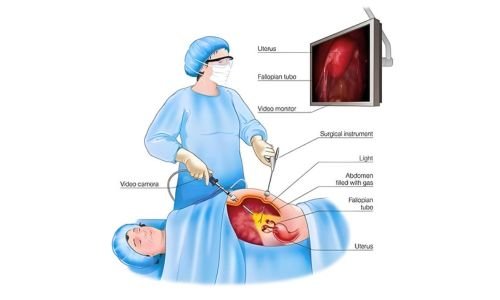
Laparoscopic surgery in gynecology showing camera and instruments

What Is a Laparoscopy?

Laparoscopy is a procedure in which a surgeon examines the inside of the abdomen or pelvis using a laparoscope — a slender tube with a light and camera at its tip. The camera sends magnified images to a screen, providing a clear view of the uterus, ovaries, fallopian tubes and surrounding organs.

In many cases, laparoscopy is used both to diagnose and treat a condition during the same procedure, avoiding the need for a second surgery.

What Is Laparoscopy Done For?

In women’s health, laparoscopy is commonly used to:

  • Identify causes of infertility
  • Evaluate chronic pelvic pain
  • Diagnose and treat endometriosis
  • Confirm and manage ectopic pregnancy
  • Remove ovarian cysts or fibroids
  • Perform hysterectomy and other advanced gynecologic procedures

This approach improves diagnostic accuracy and allows precise treatment while preserving healthy tissues.

Is Laparoscopy a Major Surgery?

Laparoscopy is minimally invasive, but it is still a surgical procedure requiring anesthesia and an operating theatre.

Laparoscopy vs Laparoscopic Surgery

In modern gynecology, most laparoscopic procedures are both diagnostic and therapeutic.

How Should I Prepare for Laparoscopic Surgery?

Before surgery, your doctor will:

You will also be asked to sign consent forms, remove jewellery and nail polish, and change into a hospital gown before the procedure.

What Happens During the Procedure?

Most gynaecologic laparoscopic surgeries are performed under general anesthesia, which means you will be asleep throughout the procedure.

A small incision is made near the navel, and the abdomen is gently inflated with gas to create working space. A laparoscope (thin camera) is inserted, and 2–3 additional tiny incisions are made for surgical instruments.

The surgeon then carefully examines the pelvic organs and performs the planned treatment, such as releasing adhesions, removing ovarian cysts or fibroids, treating endometriosis, or performing a hysterectomy if required.

At the end of the surgery, the instruments are removed, the gas is released, and the incisions are closed using stitches or skin tapes.

Will I Be in Pain After Surgery?

After surgery, you will be shifted to the recovery area where your pulse, blood pressure, and oxygen levels are closely monitored.

Mild to moderate pain around the incision sites is common. Some women also experience shoulder or chest discomfort due to the gas used during surgery. This pain is temporary and usually well controlled with prescribed pain-relief medications.

Most patients can start drinking fluids within a few hours and begin walking with assistance the same day or by the next morning. Hospital stay is usually shorter compared to open surgery.

Advantages and Risks of Laparoscopic Surgery

Advantages

  • Smaller cuts with minimal scarring
  • Less blood loss during surgery
  • Reduced post-operative pain
  • Faster recovery and return to daily activities
  • Shorter hospital stay

Possible Risks

Like any surgery, laparoscopic procedures carry some risks, including bleeding, infection, injury to nearby organs, or anesthesia-related complications.

These risks are uncommon when surgery is performed by an experienced laparoscopic gynecologist. All potential risks are explained clearly before surgery so patients can make informed decisions.

Recovery, Self-Care & When to Call the Doctor

At home, follow your doctor’s instructions regarding medicines, wound care, bathing, diet, and physical activity. Light activities are usually allowed within a few days, while heavy lifting and strenuous exercise should be avoided until advised.

Contact your doctor immediately if you experience:

Consultation for Laparoscopic Surgery in Noida

If you have been advised laparoscopic surgery or would like a second opinion, consult Dr Pavana, an experienced
lady doctor in Noida
and laparoscopic gynecologist in Greater Noida West.

Women living near Ek Murti Chowk or Sector 41, Noida can conveniently book appointments at either clinic to
discuss surgery options, understand costs and recovery, and choose the safest treatment plan for their health.

Laparoscopic Surgery FAQs

Laparoscopic surgery (keyhole surgery) is a minimally invasive procedure performed through small 5–10 mm incisions using a camera and specialised instruments. It is commonly used for ovarian cysts, fibroids, endometriosis, blocked tubes, hysterectomy and diagnostic procedures. Recovery is much faster than open surgery.

Yes, laparoscopic gynaecological surgery is very safe when performed by an experienced surgeon. It has lower infection risk, minimal blood loss, and quicker recovery compared to open surgery. Globally, it is the gold standard for many gynaecological procedures. Dr Pavana is trained in advanced laparoscopic techniques.

Yes. Laparoscopic surgery is safe for unmarried women and teenagers when medically required. It is commonly done for ovarian cysts, endometriosis and diagnostic evaluation. The procedure does not affect virginity or future fertility when performed correctly.

Most women recover within 1–2 weeks. Light activities can be resumed in 3–5 days and work in 7–10 days. Full recovery including exercise takes about 2–4 weeks, which is significantly faster than open surgery.

Scarring is minimal. Usually 2–4 very small incisions (5–10 mm) are made. These fade over time and are often barely visible after a few months with proper care.

Avoid heavy lifting, strenuous exercise, swimming, sexual intercourse and tight clothing for 2–4 weeks. Seek medical help if you notice high fever, severe pain, excessive bleeding or wound redness.

Costs typically range from ₹40,000 to ₹1,20,000 depending on the procedure, hospital charges, anaesthesia and duration. Detailed estimates and insurance guidance are provided during consultation.

New cysts can form, especially in women with PCOS or hormonal imbalance. Surgery removes existing cysts effectively, and recurrence risk is reduced with proper hormonal management and follow-up care.
Fertility physician clinic in sector 41

Dedicated to compassionate, expert women’s healthcare, we support every stage of life with personalized gynecological and obstetric services.

Get In Touch

Clinic 1- The Derma & Gynae Clinic

A-59, Block-A Sector-41, Noida
(Near Sector-41, Market)
Contact No.: 7982301616

Clinic 2- Truecare Clinic

UGF -11 Saviour Green Arch Market Near Ek Murti Chowk, Noida Extention
Contact No.: 9582525020

Follow Us

All Rights Reserved.